


Your shopping cart is empty!
Cumin "Zira"
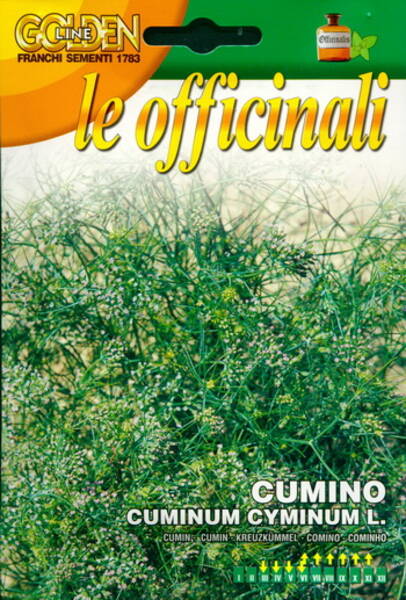
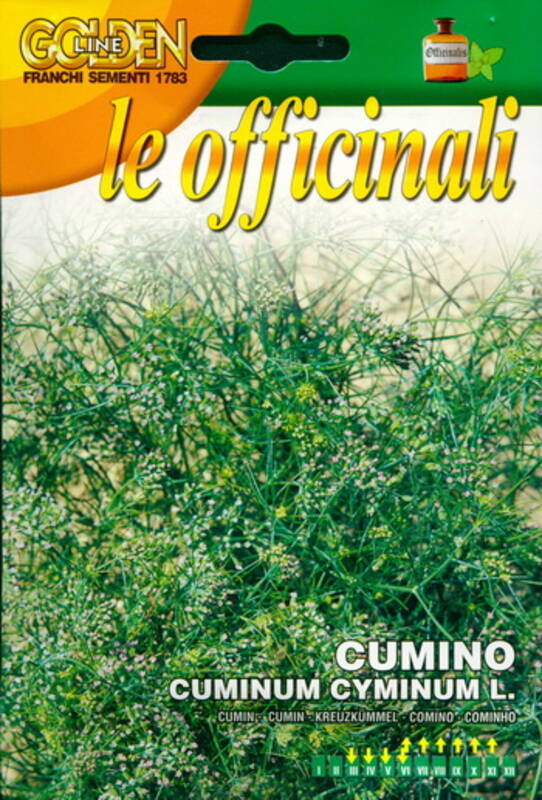
Cumin (Zira) — Cuminum cyminum.
The soul of Oriental Pilaf!
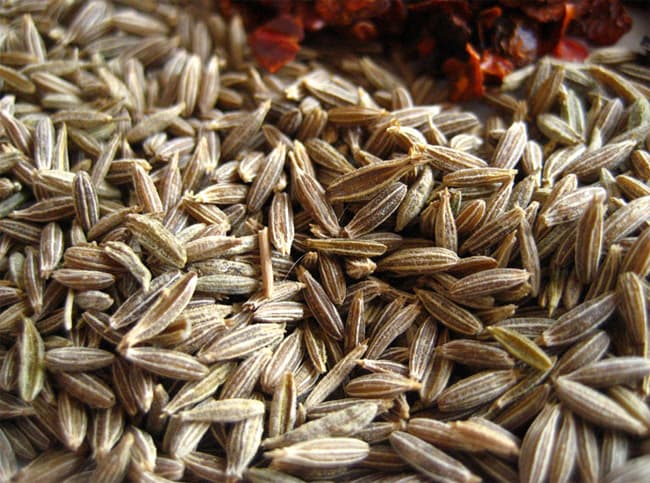
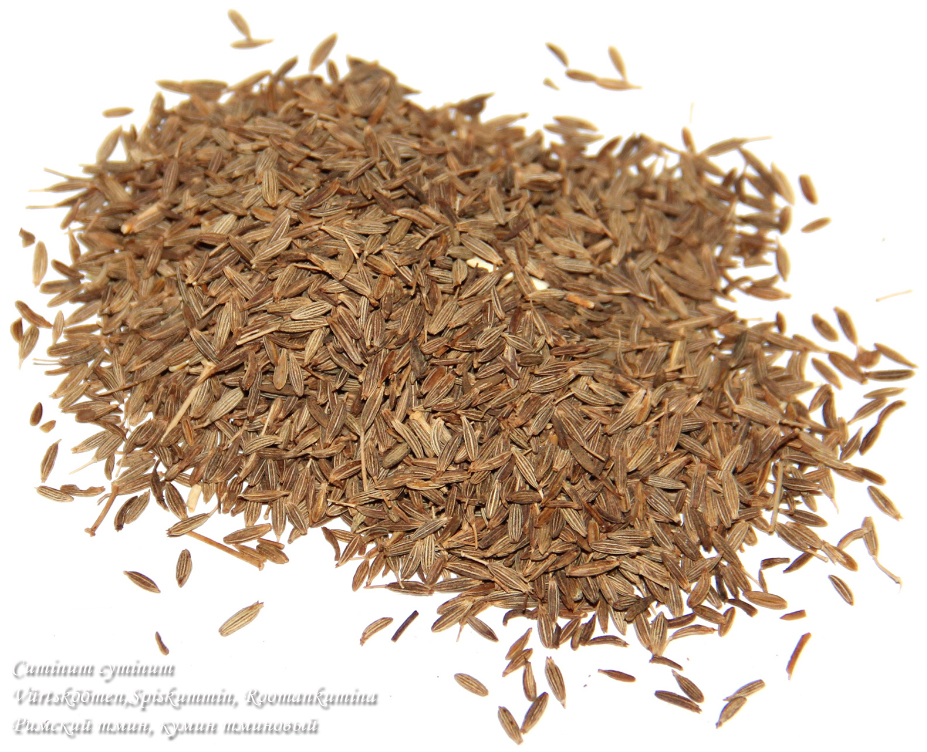
Cumin (commonly known as Zira in the East) is a popular spicy-aromatic culture, sometimes referred to in botanical guides as Roman Caraway, and in culinary arts as Jeera or Comino. Externally, its seeds really resemble ordinary Caraway, but the aroma and purpose of these two spices are completely different.
The soul of Oriental Pilaf!
Cumin (commonly known as Zira in the East) is a popular spicy-aromatic culture, sometimes referred to in botanical guides as Roman Caraway, and in culinary arts as Jeera or Comino. Externally, its seeds really resemble ordinary Caraway, but the aroma and purpose of these two spices are completely different.
Agrotechnics.
The homeland of Cumin is the sunny Eastern Mediterranean, but it grows successfully wherever there is enough heat.
Sowing: Early spring or before winter (autumn) to a depth of 2.0-2.5 cm.
Care: At the stage of 1-2 true leaves, seedlings are thinned out (distance 15-20 cm). Regular weeding and loosening are required.
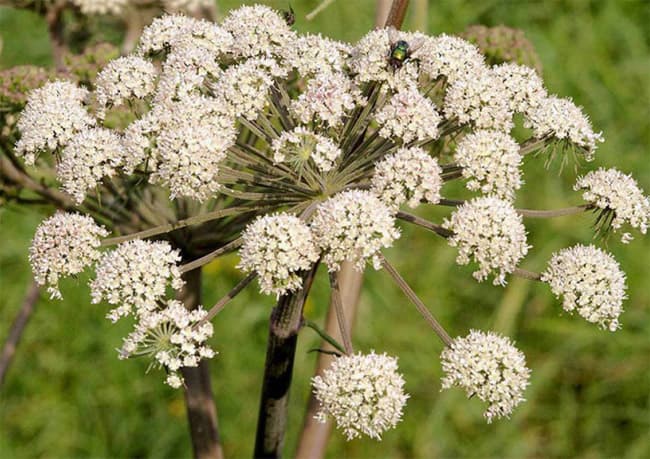
Harvest: Greens are ready in 30-40 days. Seeds are harvested after 4 months when the umbrellas turn brown (ripened and threshed).
Taste and Application:
The scent of cumin is strong, bitter, with a distinct nutty note. It intensifies if the seeds are rubbed or fried in a dry pan.
It is the key spice of Oriental cuisine:
• Seeds: Whole Zira (Cumin) is the component responsible for the unique aroma of real Pilaf. It is also added to cheeses, sausages, meat dishes, and pastries.
• Ground spice: Used in sauces and blends, but has a sharper bitterness, which is often softened by adding coriander.
• Greens: Young cumin leaves are used in salads and cold appetizers.
The "Great Confusion": Caraway or Cumin?
Today, Cumin is one of the most popular spices in the world (especially in Asia, Latin America, and North Africa), but in Europe, it was undeservedly forgotten, although in antiquity, it was widely used throughout the Roman Empire. This led to confusion, exacerbated by translation errors.
The English name is Cumin, while ordinary caraway is Caraway. Many translators, not seeing the difference, replace Indian Jeera (Zira) or Mexican Comino in recipes with the European "Caraway". This leads to sad consequences: using one spice instead of the other can hopelessly spoil a dish.
Benefits and History: Cumin accelerates the digestion of fatty and "heavy" foods and removes toxins from the body. In Ancient Egypt, it was known as a medicine. In antiquity, cumin was considered a symbol of greed, but in the Middle Ages, it became a symbol of fidelity: in Germany, the bride and groom carried a pinch of this spice with them.
CULINARY JOURNEY: 6 GREAT SCHOOLS OF UZBEK PILAF.
Uzbeks say: "If you are poor, you eat pilaf; if you are rich, you eat only pilaf." But every city prepares it differently. The main rule is one for all: the true "soul" of pilaf is specifically Zira (Cumin).
1. Fergana (Classic): The darkest and most fried. Meat, onions, and carrots are fried heavily. "Devzira" rice is soaked in dark oil. Zira is added twice: into the Zirvak (base) and before adding the rice.
2. Tashkent (Festive): Light and luxurious. Chickpeas (nohut) and raisins are mandatory additions. Cooked in layers, not mixed until served. Carrots are usually yellow.
3. Samarkand: "Layered pie". Meat is boiled in large pieces separately, carrots are steamed, rice is boiled. Layers are placed on a platter (lyagan): rice, carrots, meat. Do not mix when eating.
4. Bukhara (Oshi-Sofi): The most dietary and complex. Cooked in a copper cauldron. Ingredients are boiled until half-cooked separately (rice, vegetables), and then "married" in a cauldron poured with boiling oil. Lots of spices and raisins.
5. Andijan: A close relative of the Fergana style, but spicier. Quail eggs and pieces of tail fat are often added.
6. Khorezm (Khiva): The most minimalist. Meat (only beef/lamb), rice, salt, lots of carrots (cut not into strips, but into shavings/flakes), and only one spice — Zira. Cooked for a very long time (8-10 hours) over low heat.
RECIPE: Classic Fergana Pilaf on an open fire.
Ingredients: Rice (1 kg), Lamb/Beef (1 kg), Carrots (1 kg), Onion (3-4 pcs), Vegetable oil (300 ml), Zira (2 tbsp), Garlic (3 heads), salt, hot pepper (2 pods).
Preparation:
1. Heat: Heat the oil in a cauldron (kazan) until it smokes slightly.
2. Zirvak (Base): Fry the onion until dark (for rice colour), then the meat until crusted. Add carrot strips. As soon as the carrots become soft, cover with water, add garlic (whole heads), pepper, and the first part of Zira (rub in palms). Simmer on low heat for 40-60 min.
3. Rice: Lay the washed rice in an even layer. Pour boiling water 1.5-2 cm above the rice level. Turn on maximum heat!
4. Finishing: When the water evaporates, sprinkle the rice with the second part of Zira, gather it into a mound, cover with a tight lid, and simmer on minimum heat for 20-25 minutes.
Secret: Before serving, be sure to mix the pilaf from bottom to top so that the aroma of Zira is distributed evenly.